Green DC turns locally produced green energy into AI compute capacity
A distributed network of AI data centres embedded in local energy systems: compute infrastructure becomes a component of the energy ecosystem rather than an isolated asset.
Who we engage with
Sites and energy
You operate a local energy generation unit. We install a compute load alongside it that consumes your output continuously and returns its waste heat.
Investors
A modular, replicable model backed by existing energy assets, in a market constrained by access to energy more than by capital.
Compute capacity
High density, low-carbon energy available 24/7, edge positioning and sovereignty requirements. Complementary to the hyperscalers, not a substitute.
The market
Demand is accelerating, the installed base is not
AI clusters demand rack densities and cooling that most data centres in service were never designed to provide. The missing capacity will have to be built, not retrofitted.
4.0 GW
French installed base by 2035
Up from 0.7 GW in 2024.
35-40 %
AI share by 2030
Of French colocation demand.
40 kW
Per rack, minimum
And water cooling, no longer air.
40-50 %
Greater Paris share in 2030
Down from 75-80% in 2024: deployment is regionalising.
Source: France Datacenter 2025 study (EY).
“We need more AI compute, but we can no longer build data centres the way we used to.”
The paradox Green DC takes seriously: legacy deployment models remain centralised, grid-dependent and capital-hungry.
The answer
Compute as a component of the local energy system
Green DC colocates modular AI data centres with low-carbon local generation assets. The facility draws that energy as its primary supply, keeps the public grid as redundancy, and feeds its waste heat back into the neighbouring industrial or urban ecosystem.
01
Power is available on site
The architecture is grid-light: demand on the grid is limited to redundancy, which frees the project from connection queues.
02
The land is industrial and already qualified
Siting follows existing industrial footprints, where industrial activity has long been accepted.
03
Waste heat is recovered as a rule
District heating, industrial process, agricultural use: efficiency is structural, not declarative.
04
Deployment is modular and incremental
Each module matches one generation of processors and carries its own standalone infrastructure. Investment follows real demand.
05
Cooling consumes no water
The cooling loop is closed: water circulates without being consumed, giving a WUE close to zero. The project competes with no local use of the resource.
Reference architecture
Schematic. The GDC 01 pilot uses an RDF cogeneration configuration.
Input
Local energy generation
Power available on site, dispatchable by nature or smoothed by storage.
RDF or biomass cogeneration
Solar or wind + BESS
Electricity 24/7
as primary supply

On site
Modular AI data centre
Low-carbon built units, one processor generation per module.
High density, direct liquid cooling
Closed water loop
Compute capacity
high density
Output
AI services
Distributed capacity, close to users and to the data it processes.
Training
Inference, latency-sensitive
Waste heat recovered
District heating, industrial drying process, horticultural greenhouse, public facility.
Resilience layer: the public grid stays connected, as backup

Medium-voltage interconnection
Secondary source, never primary: the architecture is grid-light, not off-grid.

Battery storage
Smoothing and seamless failover.

Backup generators
Service continuity as a last resort.
Eligible energy sources
Two families, one criterion: a usable 24/7 profile
Family 1
Dispatchable generation
RDF or biomass cogeneration. Output is continuous by nature: it depends on neither wind nor sunshine, and its profile maps directly onto a compute load.
Family 2
Renewables firmed by storage
Solar or onshore wind paired with battery storage. Output is intermittent, but storage smooths it: the generation + BESS pair delivers the usable profile, never the farm on its own.
The pilot
GDC 01: in south-eastern France
The first site is under development in south-eastern France, in an RDF cogeneration configuration, for modular capacity above 3 MW IT. It serves as the demonstrator: it validates the reference architecture, the energy integration and the operating model.
The pilot site is designed to draw on local industrial capacity, including modular timber construction where relevant.
GDC 01 · pilot
South-eastern France. Local 24/7 energy via RDF cogeneration, over 3 MW IT modular. Demonstrator for replication.
GDC 02 and GDC 03 · replication
Colocation with existing energy units, standardised design, fast deployment and low dependence on the electricity grid.
Where we stand
Three phases, in this order
Structuring and de-risking
Pilot definition and studies, formalisation of the reference architecture, identification of replication sites, lease and energy contract negotiations.
Permitting and investor entry
Completion of the pilot's technical design, replication of the model, structuring of the project companies and of the financing.
Deployment and replication
Construction and commissioning of the pilot, launch of the following sites on existing generation assets, modular ramp-up.
Who is behind the project
An industrial model, not a consultants' thesis
Green DC is a French SAS whose reference shareholder is Esiense, an independent consulting firm.
The team is deliberately small during structuring. It brings together five disciplines: leadership and investor relations, financial structuring and public funding, legal structuring and governance, cybersecurity and compliance, and high-density data centre architecture.
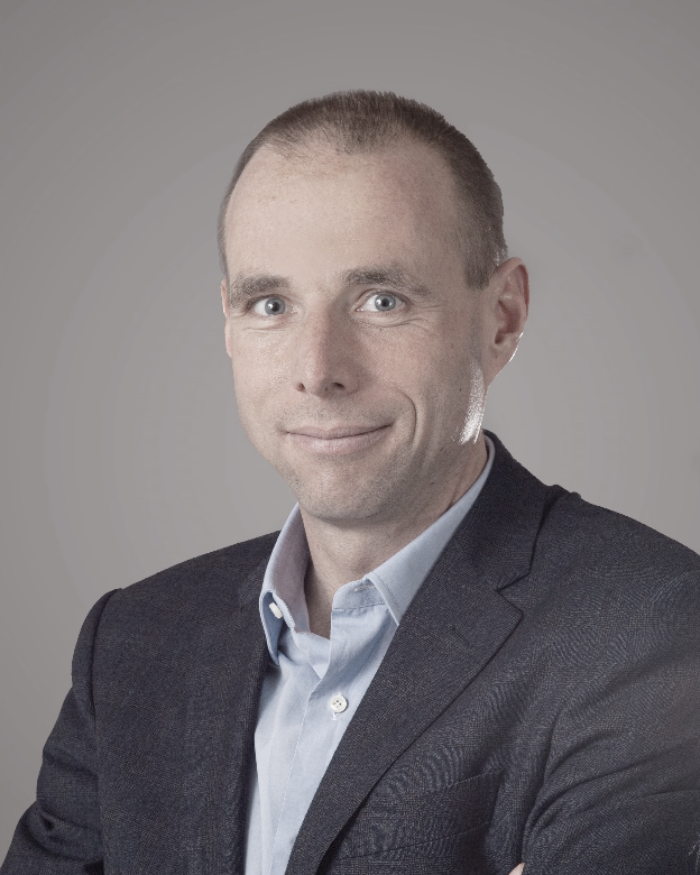
Nicolas Ludmann
Leadership
Strategy and vision, investor and partner relations, coordination with energy assets, and alignment with local authorities.
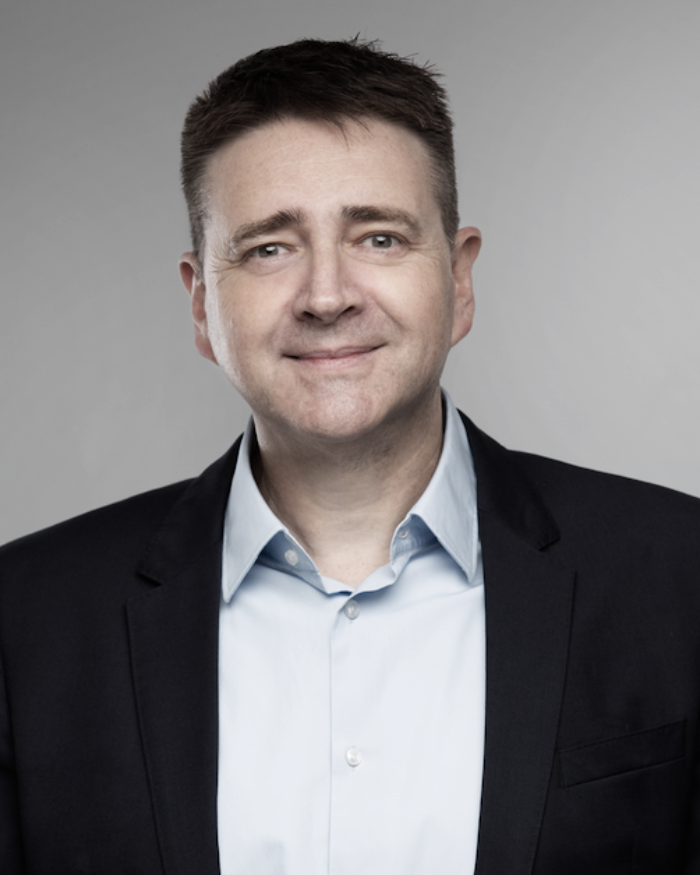
Jean-Philippe Coste
Leadership
Project leadership, management of studies, and development of the pilot site.
Let's talk about your project
Sites and energy, investment, compute capacity: three contacts, three direct addresses.